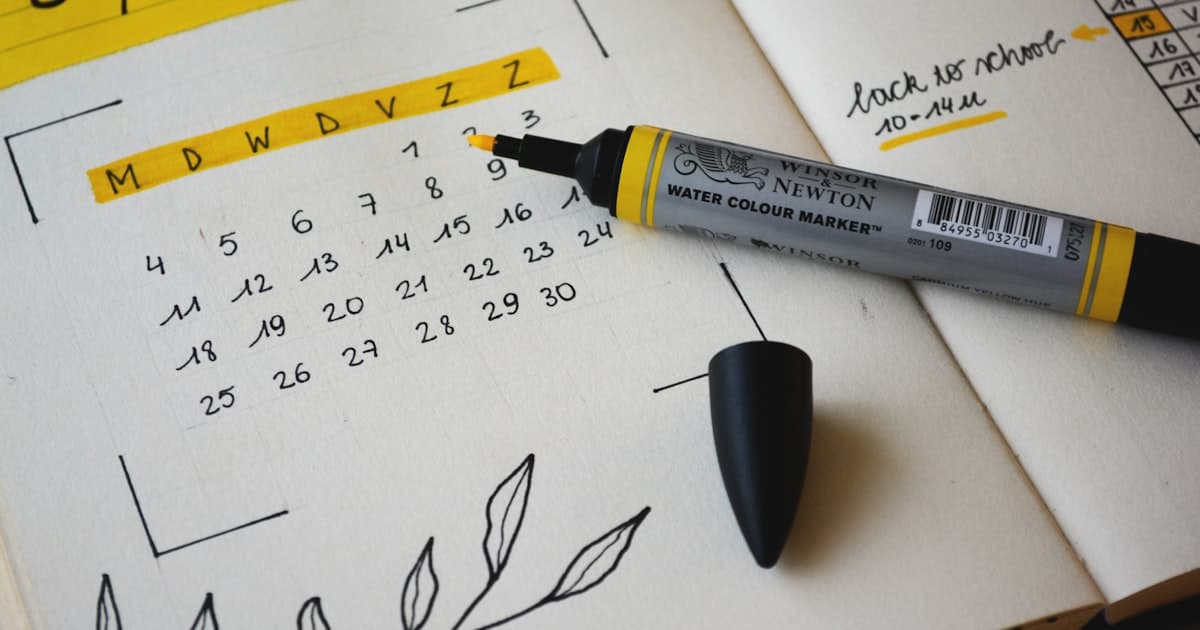
A commute is a daily cue you already have: same time, same place, same duration. To turn it into a habit, pick one small action that fits your mode of travel, such as reading ten pages on a train or listening to a lesson in the car, and attach it to the moment you sit down or start the engine.
Why a commute makes a good habit cue
A good cue is something that happens every day, in the same place, at about the same time. A commute does all three. You sit down on the train or turn the key in the ignition, and the journey runs for a known length. That is a clean start and a clean end, which most habits do not get. In the 2010 study by Lally and colleagues, people repeated a simple behavior in the same daily context, and over time it became more automatic. A commute gives you that same context, plus a train timetable or a traffic report attached.
First decide how you travel
The right habit depends on the mode. On a train or subway you have free hands and eyes, so reading, writing and app-based practice are possible. On a bus the ride may be bumpy, so audio and short tasks work better. In a car, eyes and hands must stay on the road, so audio is the practical choice. On foot or by bike, you are already moving, so the habit is the walk itself. If your route changes with the weather or the week, pick the mode you use most and build the habit there. A habit that depends on a seat is brittle if you often stand.
Ten commute habits that fit real journeys
Train or subway with a seat: read ten pages of a book, or write three lines in a notebook, or review ten flashcards for a language you are learning. Train or bus standing: listen to a podcast or an audiobook, or do a one-minute breathing exercise with your eyes closed. Car: play a language lesson, an audiobook chapter or a podcast episode, set before you drive. Keep the volume at a level where you can still hear traffic and emergency vehicles. Any mode: plan the day by choosing the single most important task for today, or send one thank-you message at the end of the ride, or check your budget for the week, which takes two minutes. On foot or by bike: get off one stop early and walk the last ten minutes, or take the longer, greener route once a week. The list is not a to-do list. Choose one, not ten.
Write the habit as one sentence
A plan that names the cue and the action is easier to follow. Write it as: when I sit on the train, I will read one chapter. Or: when I start the car, I will play my Spanish lesson. Research on implementation intentions by Gollwitzer found that if-then plans like this help people act on their goals more reliably than intentions alone. Be specific about the moment. When I sit down is a cue. On the way to work is just a context, and it leaves too much open.
Plan for the days the commute falls apart
Delays, canceled trains, a packed car, a day working from home: the commute is the least predictable part of the day. Keep a fallback in your pocket. If the train is too crowded to read, switch to audio. If the journey is cancelled, do the habit at lunch or the end of the day as a ten-minute version. If you are working from home, walk around the block before you sit down, which recreates the commute as a short, deliberate transition. Mark the chain on any day you do the smaller version. A day on which the commute goes wrong should not break the streak.
Safety and attention
Do not use a handheld phone while driving, and do not wear headphones that block traffic sounds when cycling or walking in the road. Audio in the car should be set before the journey starts, and the volume should allow you to hear your surroundings. If you walk or cycle, keep your attention on the route. A habit that costs you safety is not worth the streak.
A two-week commute experiment
Pick one habit for the first week and mark it on a chain each day. At the end of the week, ask three questions: did it fit the journey, did I look forward to it, and did the day feel better for it? Change one thing the next week, such as the habit, the seat or the format. After two weeks you will know which habit to keep. Do not stack three habits onto one commute at the start. One cue, one small action. You can add a second later, once the first runs without effort.