
Drinking more water sounds like the easiest habit in the world. Turn on the tap, fill a glass, drink. And yet, by evening, most of us realize we've barely had any water all day. The problem isn't willpower — it's that drinking water was never turned into a system you remember, count, and can actually see.
Here's how to move it from a thing you keep meaning to do into something automatic.
Why we keep forgetting to drink
Hydration fails for most people because it has no structure:
- Thirst is a late signal — by the time you feel it, you're already behind.
- There's no fixed trigger, so drinking gets lost between everything else in your day.
- Progress is invisible, so a good day and a bad day feel exactly the same.
Fix the structure and the "I forgot" problem mostly solves itself.
Count the amount, not a yes-or-no decision
Water is a naturally countable habit — exactly what count-based tasks in Daychain are built for. Instead of a binary "did I drink water today?", you move toward a small target across the day: eight glasses, or whatever number is right for you.
The power of counting is that it makes partial progress visible mid-day. If you're at four glasses by three in the afternoon, you know you still have room to spread the rest across the evening. One more glass logs in a single tap, and your memory is out of the loop.
Anchor every glass to something you already do
A habit needs a trigger it can hang on. "Drink more water" is vague; instead, bolt each glass onto a fixed moment that already happens:
- A glass of water the moment you wake up.
- A glass before every meal.
- A glass alongside every coffee or tea break.
- One last glass before you brush your teeth at night.
The word doing the heavy lifting is your existing routine. You already wake up and already eat. Chaining a new behavior to an old one borrows that automaticity instead of relying on you to remember. Soon the smell of coffee will quietly mean "water" too.
Make your environment do the work
Intention loses to environment. If the bottle lives in the kitchen, out of sight, you'll forget it. If it's on your desk, in your bag, by your bed, you'll drink it.
- Keep a filled bottle wherever you actually work or sit each day.
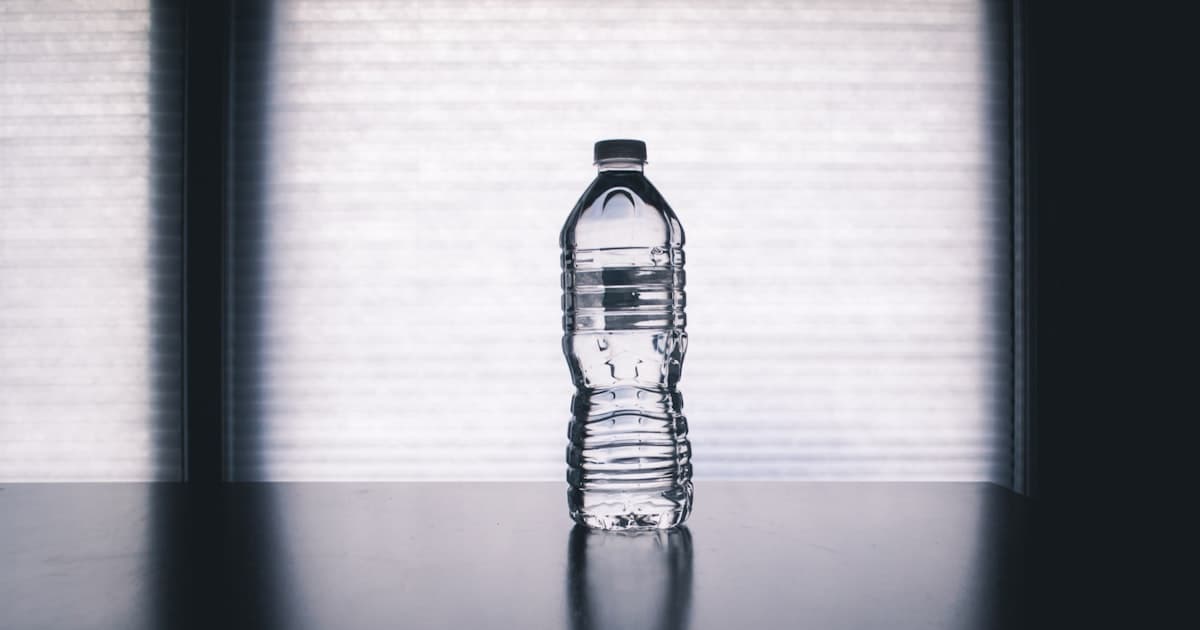
- Use a marked bottle so a single glance tells you where you stand.
- Make water visible and sugar invisible: move sodas out of sight.
Don't break the chain
This is the method that gives Daychain its name. The idea is often attributed to comedian Jerry Seinfeld: put a calendar on the wall, and for every day you hit your goal, mark a big X. After a few days you have a chain. After a few weeks you have a chain you don't want to break.
The chain works because it flips your motivation. You stop asking "do I feel like drinking water today?" and start protecting a streak you've already built.
Every day you reach your water target, that day's link is forged. The visible, growing chain becomes its own reason to keep going — and the longer it gets, the more it protects itself.
Forgive the day you miss
There will be a hectic day, a sick kid, a long-haul flight. You will miss your target sometimes. The habit isn't defined by whether you slip — it's defined by what you do next.
Daychain builds this forgiveness in on purpose. A planned skip protects a busy day and keeps the streak intact — so an honest off-day doesn't wipe out weeks of work. The rule is simple: never miss twice. One day is an accident; two in a row is the start of a new pattern. The day after a miss, restart with a single glass — don't try to "make up" what you lost.
A simple starter plan
- Days 1–7: Drink one glass the moment you wake up, and count it. That's the whole goal. Mark each day.
- Days 8–21: Add a glass before each meal. The counter guides you through the middle of the day.
- Days 22–30: Notice the chain. You now have weeks of links. Drinking water is no longer a decision — it's just what you do.
By day 30 you won't be trying to drink more water. You'll be someone building a chain, and reaching for the glass will feel less like a task and more like a natural part of the day.